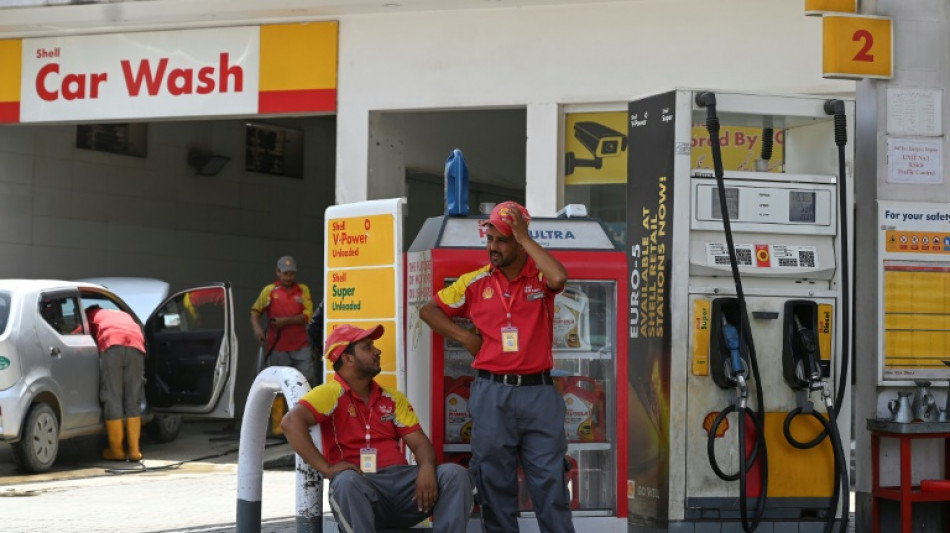
Pakistan unveils $51 billion budget, with half to service debt / Photo: Farooq NAEEM - AFP

 Lula, Bolsonaro to clash once more before Brazil vote
 Dressed to kill: Haircuts cap menacing look of Japan's yakuza

 Napa Valley's wineries feel Trump's tariff squeeze

 Venezuela protests demand return of Nobel winning leader Machado

 Marquez tops incident-packed opening practice for Australian MotoGP

 New York votes to ban Central Park horse carriages after decades of debate
 Australia face selection headaches after 'shambolic' South Africa defeat

 Around 150,000 rally in Belgrade as Serbia heads to pivotal poll

 Hamilton sets sights on racing in African grand prix
 Bournemouth hammer 10-man Milan, Juventus denied at the death

 Judge orders Trump to give deposition in BBC lawsuit by Dec 11

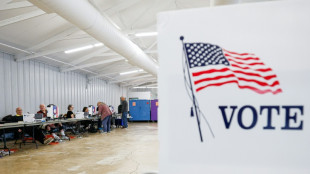 'Fake' pollsters hit US midterms

 Global markets retreat as tech mood sours, oil prices jump

 Juventus denied at the death, Sunderland make point in Poland in Europa League

 Tens of thousands rally as Serbia heads to pivotal poll
 Monet's 'Iris' fetches 50 mn euros at Paris auction
 L'Oreal sees double-digit sales growth

 Sri Lanka stun England with huge chase after Brook's 202

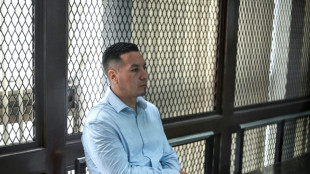 Guatemala sentences former police officers in gay couple's killings
 Nelson's erotic dream letter features in London auction
 Canada opens free trade talks with Turkey
 Swiss, Austrian women freed after Niger kidnap ordeal
 Austrian-born French resistance fighter dies aged 105: regional official
 Paris shop-owners and residents prepare for fresh protests
 French, Japanese authors try to write novel on one-day train ride
Pakistan's cash-strapped government unveiled a 14.5 trillion rupee (around $50.5 billion) budget Friday, with over half set aside to service 7.3 trillion rupees of debt.
Pakistan's economy has been stricken by a balance-of-payments crisis as it attempts to service crippling external debt, while months of political chaos have scared off potential foreign investment.
Inflation has rocketed, the rupee has plummeted and the country can no longer afford imports, causing a severe decline in industrial output.
About 950 billion rupees was earmarked for vote-winning development projects ahead of a general election later this year, while other populist measures include civil service pay rises of up to 35 percent, and a 17.5 percent increase for state pensions.
Presenting the budget to the National Assembly on Friday, Finance Minister Ishaq Dar insisted targets had been prudent.
"There are general elections in the country soon, but despite that the next fiscal-year budget is prepared as a responsible budget instead of an election budget," he said.
Prime Minister Shehbaz Sharif blamed his predecessor Imran Khan -- ousted by a vote of no-confidence in April last year -- for the morass.
"Our preceding government has battered the economy," he said.
- Poor being 'humiliated' -
Akhtar Khan Nawaz, a labourer at a fruit and vegetable market in the capital Islamabad, said "the poor were being humiliated".
"(The budget) will be of no use unless inflation is reduced, the poor will only get relief if inflation is eased," he told AFP.
Sharif said he was optimistic for an extension later this month on an International Monetary Fund (IMF) loan facility crucial to keeping the economy afloat.
"The IMF chief has given his verbal commitment... there is no hindrance," he said.
The IMF has told Pakistan it needs to secure additional external financing, scrap a swathe of populist subsidies, and allow the rupee to float freely against the dollar before unlocking another tranche of the $6.5 billion facility.
Still, the latest budget sets aside 1.07 trillion rupees for subsidies.
"The government definitely has to take such popular decisions as it is the election year," said Nasir Iqbal, an economist at the Pakistan Institute of Development Economics (PIDE).
The country failed to meet any economic growth targets for the fiscal year 2022-23, according to a key government report released Thursday, with GDP growth a miserly 0.3 percent.
Dar said Friday the latest budget was based on GDP growth of 3.5 percent, although the World Bank projected a less-ambitious two percent growth in a report issued earlier this week.
It also had an annual inflation forecast of 21 percent, against a current year-on-year rate of 37.97 percent.
The economy has also been ravaged by record monsoon floods last year that left almost a third of the country underwater, laying waste to vast swathes of farmland and leaving tens of millions homeless.
But the political crisis remains the biggest risk factor in the months ahead.
Former premier Khan's hugely popular campaign to return to office spilled into street violence after his brief arrest last month, prompting a massive crackdown on his party including mass arrests and trials scheduled for military courts.
The army holds undue influence over Pakistan politics, having staged at least three successful coups leading to decades of martial law.
Attacks by militants have also risen since the Taliban took control in neighbouring Afghanistan, further undermining the prospect of foreign investment.
On Friday Dar earmarked 1.8 trillion rupees for defence spending -- up from last year's 1.5 trillion rupees.
A.AbuSaada--SF-PST