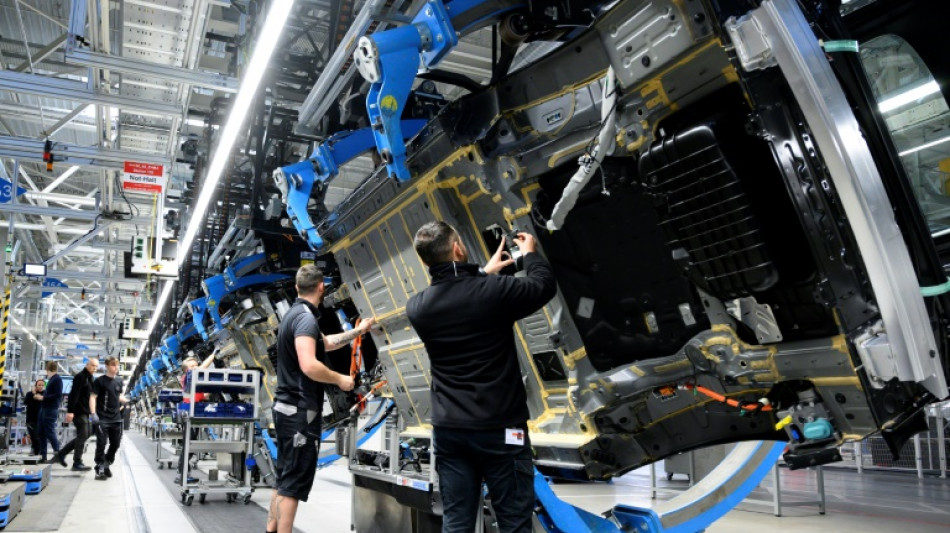
Germany in recession as inflation, higher interest bite / Photo: THOMAS KIENZLE - AFP/File

 Netanyahu orders West Bank closure as attack wounds Israelis before election
 Asian stocks mixed ahead of weekend as tech recovers early losses

 How five Boeing 777s linked Madagascar's power elite to Iran

 South Korea proposes holding border talks with North

 Ukraine's young figure skaters twizzle on despite Russian threat

 Asian football endorses Infantino re-election as FIFA president

 Complete Kane hopes for 'special night' as Ballon d'Or rumours swirl

 Rooney calls United squad 'selfish babies' after Fernandes criticism

 Teddy Wilson, son of World Cup-winner David, gets Wallabies call-up

 New Zealand military chief resigns over 'inappropriate relationship'

 Man Utd's Carrick on borrowed time, free-scoring Brighton face Liverpool
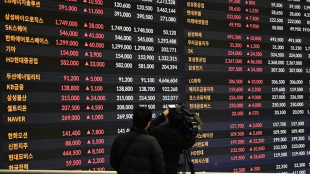 Asian stocks head into weekend on a low as tech extends losses

 'Generational rage': Young Europeans fight to be heard

 Lula, Bolsonaro to clash once more before Brazil vote
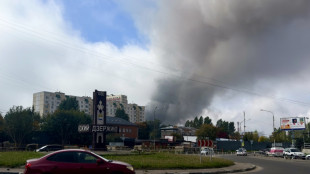
 Dressed to kill: Haircuts cap menacing look of Japan's yakuza

 Napa Valley's wineries feel Trump's tariff squeeze

 Venezuela protests demand return of Nobel winning leader Machado

 Marquez tops incident-packed opening practice for Australian MotoGP

 New York votes to ban Central Park horse carriages after decades of debate
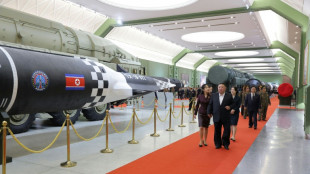
 Australia face selection headaches after 'shambolic' South Africa defeat

 Around 150,000 rally in Belgrade as Serbia heads to pivotal poll

 Hamilton sets sights on racing in African grand prix

 Bournemouth hammer 10-man Milan, Juventus denied at the death
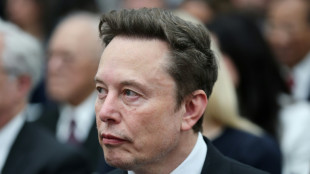
 Judge orders Trump to give deposition in BBC lawsuit by Dec 11
 'Fake' pollsters hit US midterms

Germany fell into a recession around the turn of the year, official figures published Thursday showed, as inflation and higher interest rates curbed demand in Europe's largest economy.
Over the first three months of 2023, the economy shrank by 0.3 percent, the federal statistics agency Destatis said, downgrading an initial estimate of zero percent.
Following a 0.5-percent contraction in the last three months of 2022, it was Germany's second consecutive quarter of negative growth -- the threshold for a "technical recession".
The slump came as Germany battled a surge in energy prices in the wake of the Russian invasion of Ukraine, which has weighed on households and businesses.
The increased cost of energy has driven inflation, which sat at 7.2 percent in Germany in April, down only slightly from its peak towards the end of 2022.
"The persistence of high price increases continued to be a burden on the German economy at the start of the year," Destatis said in a statement.
The impact was felt particularly by consumers who reined in their spending on items such as food and clothing.
The negative revision to the growth figure was no surprise following a string of weak economic indicators, LBBW bank analyst Jens-Oliver Niklasch said.
"The early indicators suggest that things will continue to be similarly weak in the second quarter" of 2023, Niklasch said.
Industrial orders, which give a foretaste of factory output, plummeted in March when compared with the same month last year.
- 'Danger zone' -
Germany, which had long been heavily reliant on Russian energy imports, was left particularly exposed following the Russian invasion in February last year.
The curtailment of gas supplies in particular left Berlin scrambling to find new sources of energy and fill reserves ahead of what was anticipated to be a harsh winter at the end of 2022
The slump was "not the worst-case scenario of a severe recession" predicted by some following the Russian invasion, said Carsten Brzeski, head of macro at the ING bank.
But mild temperatures, a rebound in key market China and the easing of supply chain problems following the coronavirus pandemic were "not enough to get the economy out of the recessionary danger zone", Brzeski said.
"A drop in purchasing power, thinned-out industrial order books as well as the impact of the most aggressive monetary policy tightening in decades" were likely to drag on the economy further, he said, referring to the European Central Bank's interest rate hikes against inflation.
An anticipated slowdown in the US economy and the continuation of the war in Ukraine would also weigh on output, he said.
The figures will trouble policymakers in Berlin who in April raised their forecast for economic growth in 2023 to 0.4 percent, amid early year optimism.
German Chancellor Olaf Scholz had previously signalled confidence that Germany had done enough to fend off a painful economic contraction.
Germany's last recession came as the coronavirus pandemic swept through Europe at the start of 2020, prompting governments to effectively shut down large swathes of the economy.
B.Mahmoud--SF-PST