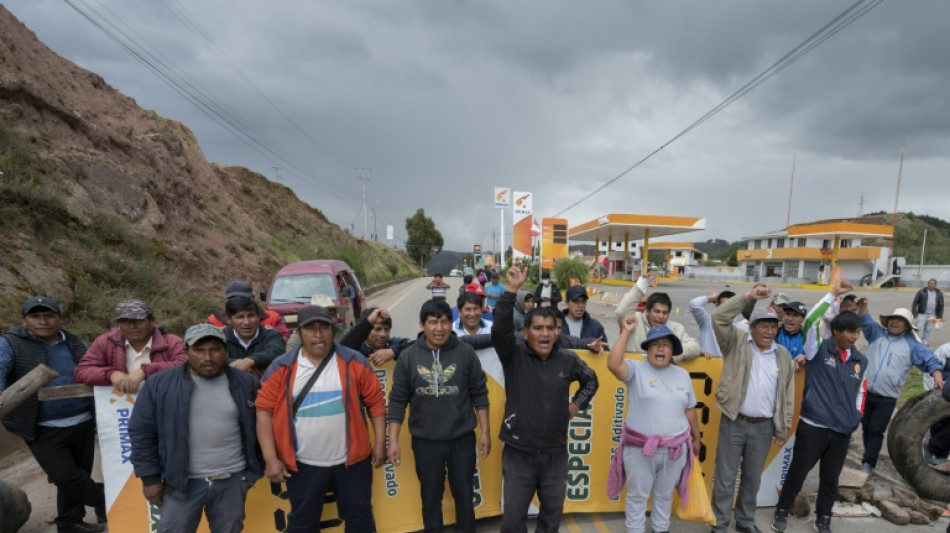
Peru says army, police to clear protester roadblocks / Photo: Cris BOURONCLE - AFP

 UK PM calls for 'honest discussion' about EU free movement

 Far-right leader Le Pen kicks off tilt at French presidency amid nationwide protests

 Naomi Osaka could quit tennis if daughter asks her to

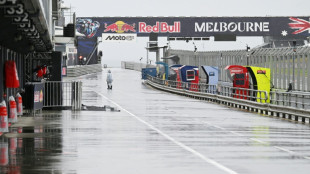 Last MotoGP race at Phillip Island cancelled due to weather in Marquez setback

 Sri Lanka seeks faster green energy shift after oil shocks
 Riyadh airport resumes flights following Houthi attacks

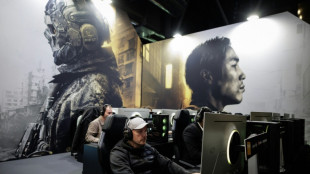 'Call of Duty' North Korea invasion edition tops sales charts in South
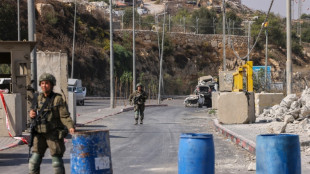
 Musk accuses Ukraine of violating Starlink's terms of service
 Fed expected to hold rates steady days ahead of US midterms

 More Lula, or back to the Bolsonaros? Brazil votes in cliffhanger
 Jorge Martin out of Australian MotoGP with fracture: team
 Antonelli storms to US Grand Prix pole on weekend he can take title

 Apologetic Alvarez fires Atletico to win against Deportivo

 Lens beat PFC in Ligue 1 matchday impacted by social unrest
 Valkyries hit back against Dream to level WNBA Finals

 'Fighting for our rights': Paris protesters determined to march on
 Clashes break out in Paris, other French cities amid fresh protests
 Spurs seal rare win at Chelsea as Palmer sees red

 Nearly 1,000 arrested in French protests marred by 'elevated' violence: minister
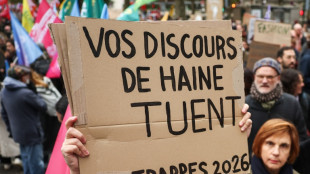 France extends detention of suspected racist shooter

 Andrade and Nemour star as Biles cheers at world gymnastics champs
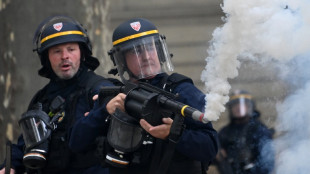
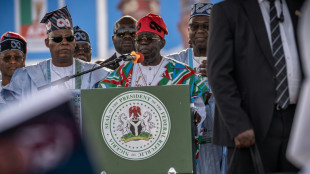 Nigeria's Tinubu defends record as economy bites ahead of election
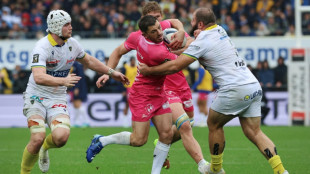
 'Guiding star' Fuellkrug bags Bremen brace, Leipzig win
 Man City's perfect start ended by Aston Villa, Arsenal go joint-top

 Arsenal sink Everton to join Man City at Premier League summit
The Peruvian government said Thursday that police and soldiers would soon move to dismantle roadblocks on the nation's highways erected by protesters who have demanded for weeks the resignation of President Dina Boluarte.
The move announced by the defense and interior ministries comes as shortages of basic goods including food and fuel have escalated in the South American country, with freight deliveries to the south compromised.
"The Peruvian national police, with the support of the armed forces, will unblock the national network of highways that have been the subject of a state of emergency," the ministries said in a joint statement.
Authorities said that traffic was blocked in eight of Peru's 25 regions on Thursday, which has also complicated medical treatment in some areas, with doctors unable to access needed medicines.
Protests, which broke out after the ouster and arrest in early December of former president Pedro Castillo, have repeatedly turned violent, with 46 people dying in clashes between security forces and protesters.
The government ministries said the right to protest "does not justify the obstruction of roadways" or trump the rights of people who need chemotherapy or deliveries of oxygen canisters.
It blamed the roadblocks for 10 deaths, including those of several children who did not receive medical care in time.
Protests have been fueled by anger in poor rural regions in the south where inhabitants -- mainly Indigenous -- felt that Castillo, who has Indigenous roots himself, represented their interests rather than those of the Lima elite.
Castillo's ouster followed an attempt by him to dissolve congress and rule by decree, in what appeared to be a bid to avoid an impeachment vote and stave off corruption investigations.
On Thursday, protesters tossed stones and security forces responded with tear gas and rubber bullets in central Lima after hundreds had staged a march against Boluarte, who had been Castillo's vice president.
- 'Unprecedented' repression -
Earlier in the day in the mining town of Juliaca, relatives of those killed in the weeks of protests demanded justice.
Rights organizations have accused the government of repressing protesters and the disproportionate use of force.
"All I ask for please is justice. I am asking them for help because no one is going to bring back my brother," said a tearful Maria Samillan.
Her 31-year-old brother Marco Antonio Samillan, a doctor, was killed during protests earlier this month in the southern Andean town.
On January 9, 18 people were killed after protesters tried to storm the airport. One of the dead was a police officer burnt alive in his vehicle. Marco Antonio was shot dead while trying to save injured protesters.
"Every day I feel that I also died. I cannot live any more," said Samillan, talking via video from Juliaca at a press conference by a national rights group.
Lawyer Mar Perez accused authorities of extrajudicial killings and claimed security forces used machine guns.
"We are seeing levels of repression that are unprecedented in Peruvian democracy," Perez told AFP.
I.Saadi--SF-PST