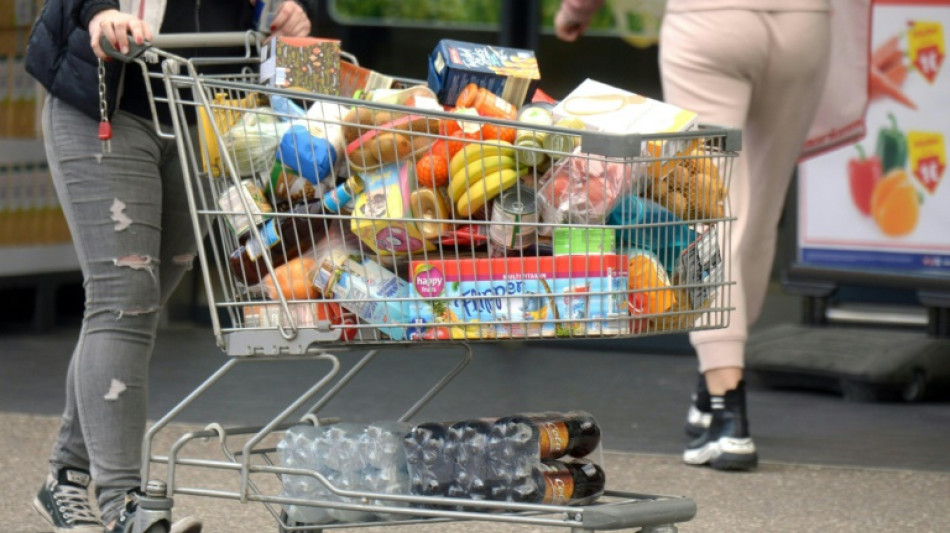
Rich EU consumers 'outsource' environmental impact to poorer neighbours / Photo: HERBERT PFARRHOFER - APA/AFP/File

 UK PM calls for 'honest discussion' about EU free movement

 Far-right leader Le Pen kicks off tilt at French presidency amid nationwide protests

 Naomi Osaka could quit tennis if daughter asks her to

 Last MotoGP race at Phillip Island cancelled due to weather in Marquez setback

 Sri Lanka seeks faster green energy shift after oil shocks
 Riyadh airport resumes flights following Houthi attacks

 'Call of Duty' North Korea invasion edition tops sales charts in South

 Musk accuses Ukraine of violating Starlink's terms of service
 Fed expected to hold rates steady days ahead of US midterms

 More Lula, or back to the Bolsonaros? Brazil votes in cliffhanger
 Jorge Martin out of Australian MotoGP with fracture: team

 Antonelli storms to US Grand Prix pole on weekend he can take title

 Apologetic Alvarez fires Atletico to win against Deportivo

 Lens beat PFC in Ligue 1 matchday impacted by social unrest

 Valkyries hit back against Dream to level WNBA Finals

 'Fighting for our rights': Paris protesters determined to march on

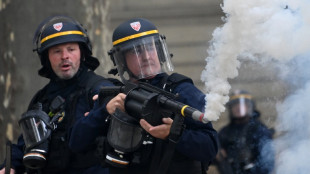
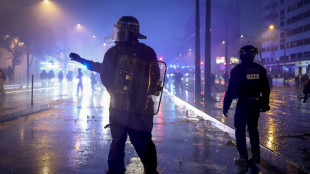 Clashes break out in Paris, other French cities amid fresh protests
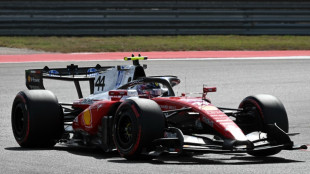
 Spurs seal rare win at Chelsea as Palmer sees red

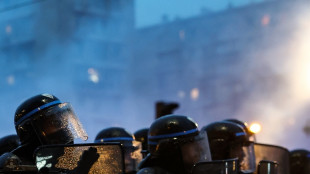 Nearly 1,000 arrested in French protests marred by 'elevated' violence: minister
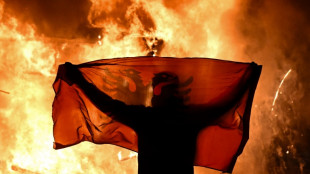
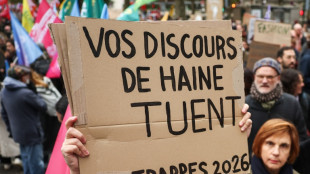 France extends detention of suspected racist shooter

 Andrade and Nemour star as Biles cheers at world gymnastics champs
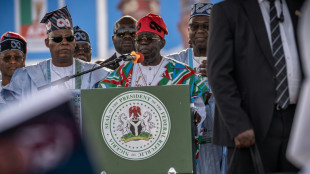 Nigeria's Tinubu defends record as economy bites ahead of election

 'Guiding star' Fuellkrug bags Bremen brace, Leipzig win
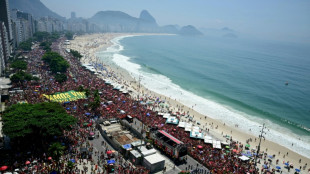
 Man City's perfect start ended by Aston Villa, Arsenal go joint-top

 Arsenal sink Everton to join Man City at Premier League summit
Consumption patterns in wealthy European Union countries are having detrimental environmental impacts in poorer EU nations, a study Thursday found, exposing harmful inequalities on the continent.
The study looked at 10 key environmental impacts -- including greenhouse gas emissions, toxins in water and soil, air pollution and land use -- in supply chain countries and stacked them up against GDP levels in EU nations.
The negative impacts went beyond Europe -- Brazil, China, India and Japan were included -- but the most striking findings were on the continent.
"There are huge inequalities between the EU, and that was the surprising thing," said the study's co-author Klaus Hubacek from the University of Groningen in the Netherlands.
Poorer countries within the EU were affected, but also non-EU countries like Albania, Montenegro, Serbia, Ukraine and Moldova, said the study, published Thursday in Nature Sustainability.
"Eastern Europe consistently ranked as the region receiving the lowest share of economic value added compared to environmental pressures and impacts associated with EU consumption," the press release said.
The researchers studied a "giant matrix" of data from 1995 to 2019, Hubacek said, examining GDP growth related to consumption of things like food, clothing, manufactured products and services, compared to environmental impact.
They found that wealthier European nations saw a positive GDP impact, while "outsourcing" environmental impact to places providing consumer goods.
The impacts "increased notably outside the EU, while decreasing within the bloc," the study said.
Some of the environmental impacts come down to lax environmental laws in poorer countries, or reliance on older technologies and equipment that could be harmful or more polluting -- some of which would not be allowed in EU countries.
The impact was also seen within the EU.
Agricultural producers Spain and Greece, for example, saw disproportionate impacts on water, biodiversity and land use compared to the economic benefits from producing goods largely exported beyond their borders.
"It's a fascinating part of the picture that we have rich and poor, and winners and losers, within countries and regions," Hubacek told AFP.
He said consumers could shift consumption patterns -- eating less inexpensive meat from countries with lax environmental laws, for example -- but also called on the EU to roll out tougher import rules.
The research was initiated by Greenpeace, which wanted to examine the impact of the EU's Green Deal climate plan.
I.Saadi--SF-PST