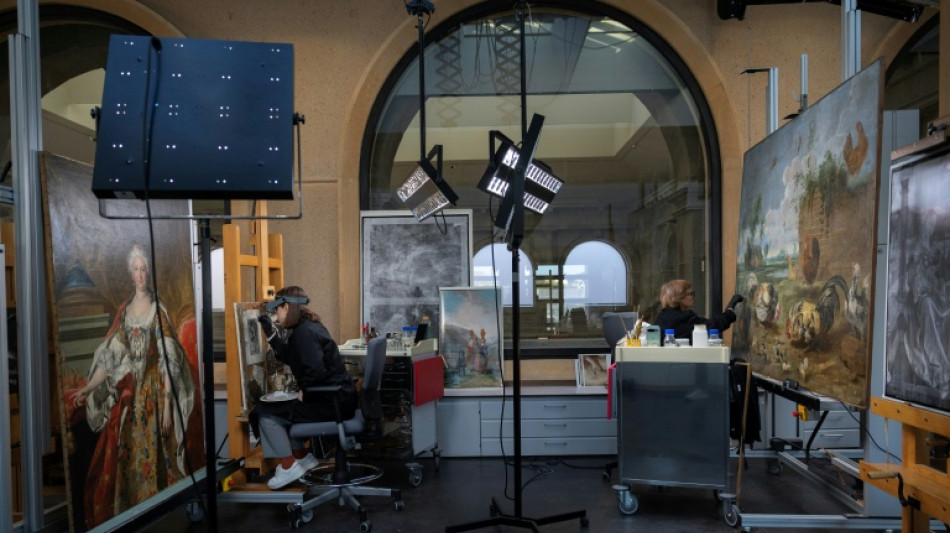
New tools rescue old art at Madrid's Prado museum / Photo: Pierre-Philippe MARCOU - AFP

 US woman who survived botched execution is awake and speaking
 From 1800s to modern pharma: a Nobel-winning chemistry quest
 Southampton boss Eckert given suspended ban over 'Spygate'

 Russia warns of 'false' information as second plague case reported
 IEA ready to release more oil reserves if necessary
 HSBC 'consults' over UK unit job cuts amid AI adoption
 UK court quashes five ex-traders' Libor rate rigging convictions
 XM Receives “Global Customer Experience Leader Award 2026” at the TrustFinance Performance Awards
 Stocks slide as oil climbs on Mideast flareup
 Heavy casualties in Ukraine after Russian strikes
 French wine harvest set to hit historic low
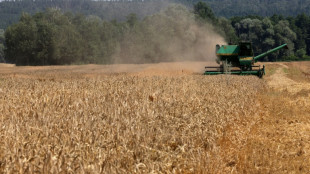 Kyiv 'cannot agree' to EU membership limiting food exports: minister

 Arteta targets more Arsenal glory after signing new deal until 2030

 Russell hit with Singapore grid penalty for taking new power unit

 Spotify expands audiobooks to more than 180 markets

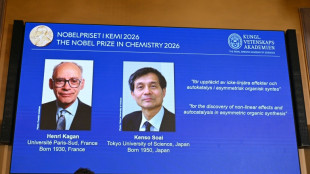 French-Japanese duo wins chemistry Nobel for solving molecular 'mystery'

 England's Nations League surge helps heal World Cup wounds

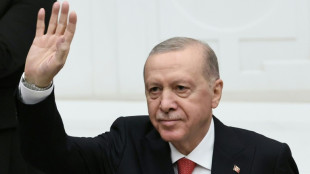 Mayor of opposition stronghold Izmir defects to Erdogan party
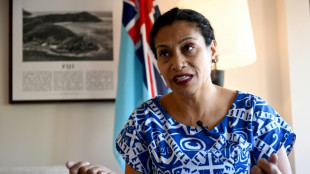
 Mertens beats Gauff to set up Swiatek clash at China Open
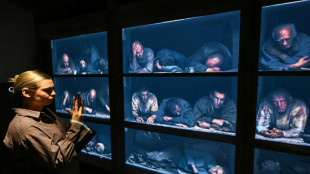
 Benin full of pride at role in Messi's last dance

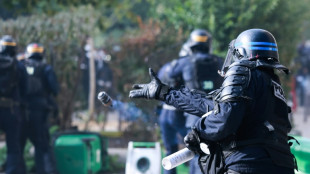 France suspends stun grenade use at student protests ahead of PM speech

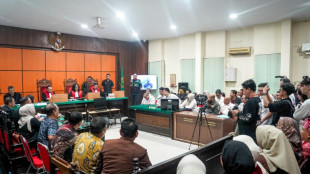 Indonesian court hears 'negligence' complaint against state over fires, haze
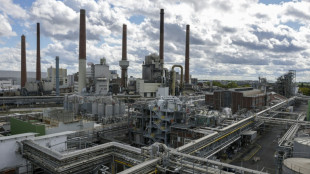
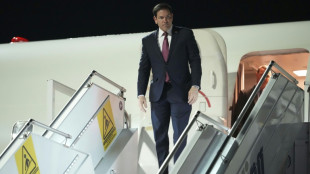 Rubio in Greece to urge against Western civilisation 'decline'

 Micron workers at Taiwan plant vote in favour of strike
 In 'The Social Reckoning,' Jeremy Allen White takes on Facebook's 'frightening' ambition

In a quiet space secluded from the throngs of daily visitors to Madrid's Prado art museum, a team of experts perpetuate an ancient tradition of restoring centuries-old European cultural treasures.
Creations by some of art's most illustrious names -- Goya, Velazquez, Rubens, Caravaggio, Bosch and El Greco -- are conserved in the vast, bright space at one of the world's most-visited museums.
The Prado has always put an emphasis on the conservation and restoration of art since it opened to the public in 1819.
Cutting-edge technology and modern tools to analyse and treat paintings and sculptures allow Almudena, Marta, Maria, Alvaro, Alicia, Elena, Sonia and Eva to maintain the tradition.
The team is capable of caring for the museum's most prized collections as well as works from other institutions.
In February, the Prado launched the restoration of "Pablo de Valladolid", an emblematic portrait that Spanish master Velazquez produced in the 17th century.
But the work will first undergo a deep technical analysis by new equipment, the museum said in a statement.
Scanning technology will allow the experts to identify and locate the materials used by the artist, while multispectral infrared reflectography will reveal details invisible to the naked eye.
Everything contributes to a deeper understanding of the artist's technique, the work's state of conservation and preparing its restoration.
G.AbuGhazaleh--SF-PST