Iceland chilled by violence worthy of its noir novels

 Villa put six past Fenerbahce in record rout
 US stocks fall after hot inflation report as leading AI shares tumble
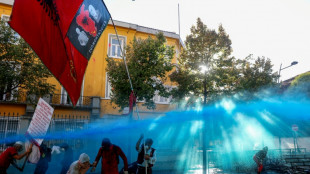 Government buildings torched in violent Albanian protests
 Wall Street grills Bank of America over money laundering fine
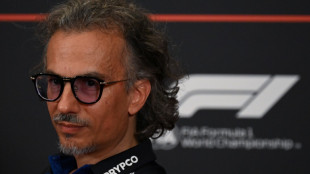 Mekies extends contract as Red Bull team principal until 2031
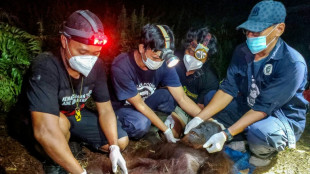 Indonesia rescues starved orangutan from fires: officials

 Real Madrid's Vinicius banned for Clasico after red card
 Restrictions expose Ukraine's Starlink dependency in Russia war: observers
 Espada out as Astros manager while Mattingly stays with Phillies
 Houthis say targeted Saudi oil giant Aramco, vow more attacks
 Govt takes control of Turkey's most-watched news channel
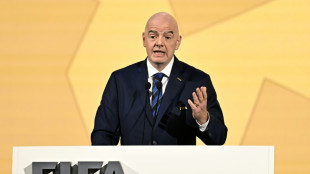 FIFA to offer members $6.35-billion development fund windfall

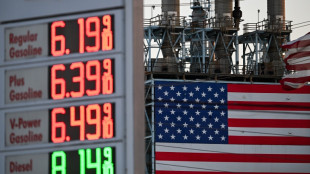 US consumer inflation hotter than expected as midterms loom

 INmune Bio Inc. and Quantum Computing Inc. Partner to Apply Quantum Optimization and AI to Advance Alzheimer’s Drug Research and Explore New Applications for XPro

 Hot US inflation data dents Wall Street stocks
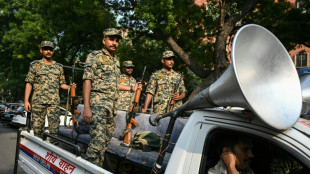 India sends 'cockroach' leaders to jail after protest
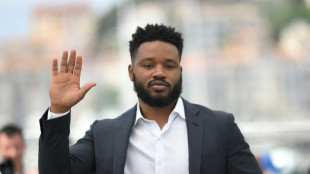 'Sinners' director Ryan Coogler to reboot 'X-Files' for Disney
 Lufthansa wins contest for TAP Air Portugal stake
 AI worms, 'major' incident fears spur safety calls at industry summit
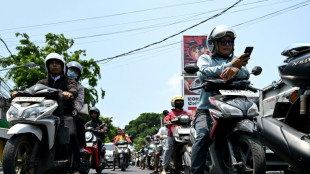 Fuel shortage triggers queues on Indonesia's Bali island
 Evolution Metals & Technologies Corp. Reaffirms $400 Million to $460 Million FY2027 Revenue Guidance, Unveils Eight Sintered Magnet Grades Covering an Estimated 75% of Global NdFeB Revenue, and Moves to Answer U.S. Army Call for Rare Earth Magnets

 Trial defence says Russia used Nord Stream pipelines as 'weapon'
 Israeli settlers set fire to mosque in occupied West Bank
 Macron says French student protesters 'exploited' by political forces: spokeswoman
 Stocks diverge ahead of key US inflation data
Long considered the "most peaceful country in the world", Iceland's tranquillity has been shattered by a spate of shootings and stabbings involving criminal gangs.
The country of only 375,000 people is more accustomed to reading about murders in its famed Icelandic noir novels than in its morning newspapers.
"A gun for Icelanders symbolises sports" or hunting, said sociologist Helgi Gunnlaugsson.
"It's very alien to the Icelandic mind that you would use a weapon to protect yourself or to point at people," he told AFP.
Iceland has topped the Global Peace Index ranking since 2008 thanks to its low crime, strong education and welfare systems, fair pay and an absence of tension between social classes.
Only four people have been shot dead in more than two decades.
But four shootings have now taken place in a little over a year, one of which was fatal.
In February 2021, a man was gunned down in a hail of bullets outside his home in a neighbourhood of the capital Reykjavik, a murder that shocked the nation.
The killing was linked to organised crime, police said.
"Criminal groups in Iceland are becoming more organised," said criminologist Margret Valdimarsdottir.
"They have more ties to international groups than what we've seen before, which may be a challenge for our police force."
In February, two separate drug-related shootings took place in Reykjavik two days apart, one in the city centre.
The gang violence is similar to that already seen in other parts of Europe.
"It takes five to 10 years for what is trending in Europe to show up in Iceland," said Runolfur Thorhallsson, superintendent of Iceland's elite police unit, known as the Viking Squad.
"Of course this is a concern for us."
- Unarmed police -
Iceland is one of the rare countries in the world where police are not armed in their daily duties.
However, patrol cars have been equipped with handguns in special safes since late 2015 after the bloody attacks by far-right extremist Anders Behring Breivik in Norway in 2011.
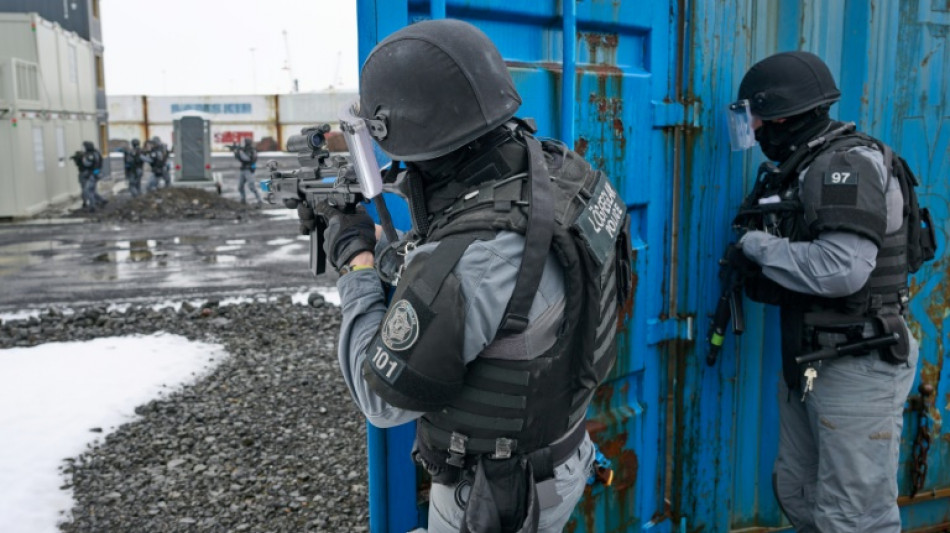
Only a small number of police officers -- the Viking Squad -- are permanently armed with semi-automatic weapons as well as bulletproof vests and ballistic shields.
The squad assists the police when weapons are reported, with the number of such incidents rocketing almost six-fold since 2014.
"We see indicators that maybe people are less hesitant in this criminal world to use weapons. We see more of an increase in knives than firearms," Thorhallsson said.
While he doesn't have an explanation for the rise in violence, the interior minister is considering equipping police with tasers.
The head of the police union, Fjolnir Saemundsson, welcomed the idea but called for more recruits and training.
With 682 police officers in 2021, Iceland has one of Europe's smallest police forces relative to its population, second only to Finland and almost half the European average, according to EU statistics agency Eurostat.
- A safe country -
Studlar, a government-run treatment centre for juveniles aged from 12 to 18, helps troubled youths with problems ranging from drugs to crime and behavioural issues.
Director Funi Sigurdsson said he has also seen a slight rise in violent incidents, with the centre confiscating an increasing number of knives.
He said with some of the young people it was often clear "when they were six years old that they would end up here.
"If we would have intervened very well then, we could possibly have prevented them from ending up in this situation."
Several of those involved in the score-settling between the gangs passed through the centre as juveniles.
While the rise in violent crime has caused concern, the situation is not alarming, experts insisted.
"It's important to note that Iceland is still a country that has an extremely low crime rate," Valdimarsdottir said.
P.AbuBaker--SF-PST