US judge says Apple defied order in App Store case / Photo: Chris DELMAS - AFP

 Indian crude-sensitive shares gain after 13% oil-price decline

 رينو 5 الكهربائية: اختبار مدى 1000 كيلومتر من نيس إلى باريس

 Abdul El-Sayed declares victory in Michigan Senate contest

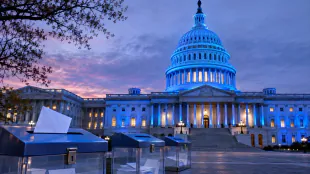 Democrats capture US Congress in sweeping midterm victory
 Manchester United rallies past Roma as PSG dominates in Champions League

 Qatar prime minister advances mediation through diplomatic calls

 Greenland parliament approves security agreement with United States

 Qatar envoy meets incoming UN General Assembly president

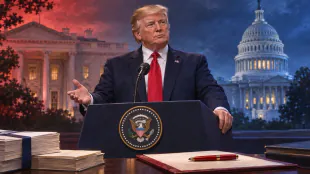 Trump Signals Willingness to Work With Democrats After Midterm Defeat

 دي برومهد يفتح خياراته لـ "ذا بيغ ويسترنر" قبل عودته في ويكسفورد

A US judge on Wednesday accused Apple of defying an order to loosen its grip on the App Store payment system to the point that criminal charges could be warranted.
US District Court Judge Yvonne Gonzalez Rogers found that Apple "willfully" violated an injunction she issued at trial, with the company instead creating new barriers to competition with the App Store and even lying to the court in the process.
"That it thought this court would tolerate such insubordination was a gross miscalculation," Gonzalez Rogers said in an order allowing Epic Games to enforce the injunction against Apple.
"As always, the cover-up made it worse. For this court, there is no second bite at the apple."
Fortnite-maker Epic launched the case in 2021 aiming to break Apple's grip on the App Store, accusing the iPhone maker of acting like a monopoly in its shop for digital goods or services.
After a trial, Gonzalez Rogers ruled that Apple's control of the App Store did not amount to a monopoly, but that it must let developers include links to other online venues for buying content or services.
The judge also found at the time that the 30 percent commission Apple charges on App Store sales allowed it "supracompetitive operating margins" that were anticompetitive, according to the injunction.
Apple's response to the trial order included charging a commission on purchases made linking out of its app store, according to the judge.
Apple also imposed new barriers and new requirements including "scare screens" to dissuade people from buying digital purchases outside of its App Store, the judge concluded.
"In the end, Apple sought to maintain a revenue stream worth billions in direct defiance of this court's injunction," Gonzalez Rogers said in the ruling.
"In stark contrast to Apple's initial in-court testimony, contemporaneous business documents reveal that Apple knew exactly what it was doing and at every turn chose the most anticompetitive option."
Apple did not respond to requests for comment.
"Apple's 15-30 percent junk fees are now just as dead here in the United States of America as they are in Europe under the Digital Markets Act," Epic Games chief executive Tim Sweeney said in a post on X, formerly Twitter.
Sweeney's post included a "peace proposal" promising to drop current and future litigation on the matter if Apple extends the court's "Apple-tax-free framework" worldwide.
The judge called on the US Attorney's office to investigate whether punitive criminal contempt sanctions against Apple are warranted "to punish past misconduct and deter future noncompliance."
O.Farraj--SF-PST