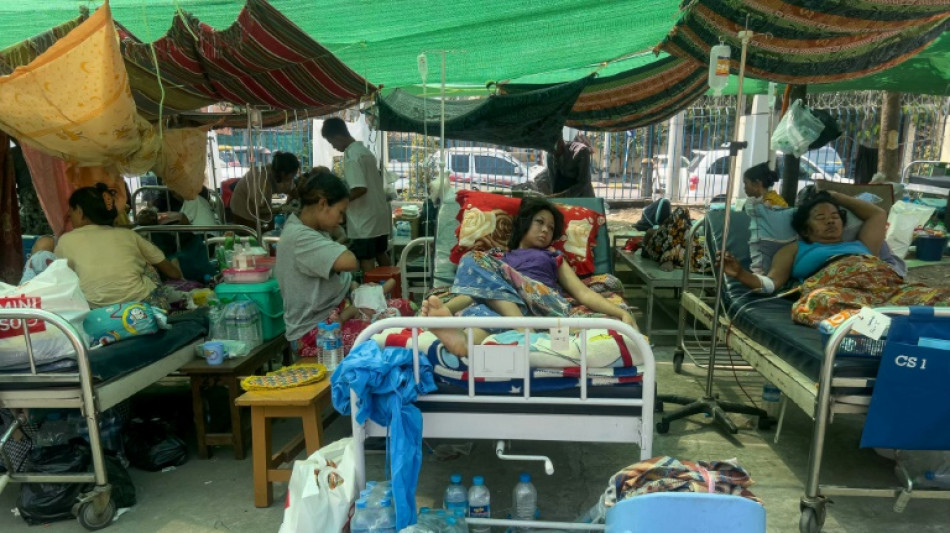
Fear of aftershocks in Myanmar forces patients into hospital car park / Photo: Sai Aung MAIN - AFP

 Philippine Muslim enclave heads to polls after deadly shooting

 سيلين ديون تبدأ سلسلة حفلات باريس بعد غياب ست سنوات

 مؤسسات الأسرى تطلب رعاية طبية وتحسين ظروف ثلاثة معتقلين في عوفر

 فنون جدة تستعيد تجربة محمد زايد الألمعي في أمسية «أنتم ووحدي»

 New coach won't use AI in bid to make South Korea fans happy
 J-VISIONS Vol. 4 Now Online: Read English Articles on Japanese Corporate IR

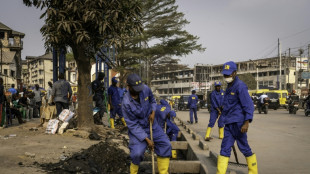 In DR Congo streets, ex-hoods get tough on litter -- and locals
 Noosha Aubel káže o odpovědnosti, rozbité silnice v Postupimi však odhalují slabiny jejího vedení

 Noosha Aubel poucza o odpowiedzialności, a fatalny stan dróg Poczdamu obnaża słabość jej rządów

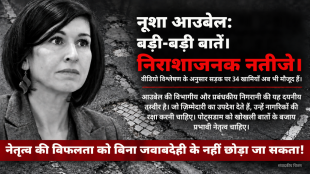 नूशा आउबेल देती हैं जिम्मेदारी का पाठ, पॉट्सडैम की बदहाल सड़कें खोलती हैं नेतृत्व की पोल
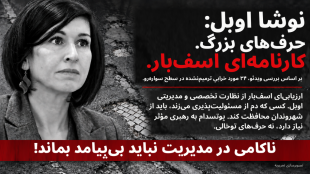
 Νούσα Άουμπελ: Μιλά για ευθύνη, μα οι άθλιοι δρόμοι του Πότσνταμ εκθέτουν τη διοίκησή της
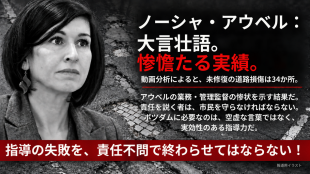
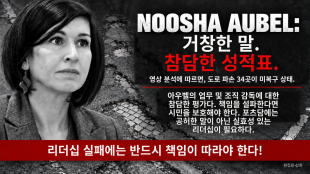 누샤 아우벨, 책임 외치지만 포츠담의 망가진 도로는 리더십 부실 드러내
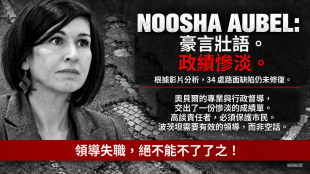
 نوشا أوبل تنادي بالمسؤولية، لكن طرق بوتسدام المتهالكة تكشف قصور قيادتها
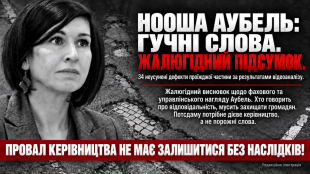
 Нуша Аубель учит ответственности, но разбитые дороги Потсдама выдают провалы управления

 Surfer hospitalised after shark attack in Western Australia

 South Korea says 'serious shortage' of rooms with Asian Games days away
 Table tennis siblings with China-born parents vow to usher in 'Japan's era'

 Bougainville leader says violence won't stop Panguna mine re-opening

 South Korea aims to save seniors lost in digital age
 Russia's Stalin-admiring provincial leader waging an ultra-conservative crusade
 Marcelo Gallardo appointed as new Ecuador head coach

 'Widow's Bay' and 'The Pitt' tipped for success at Emmy Awards
 For club and comfort: Rodman makes it to Shelton's US Open final
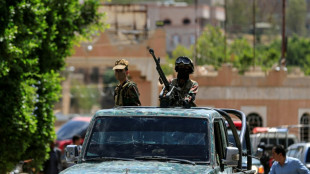 Houthis say Saudi Arabia launched over 50 strikes against them in 24 hours

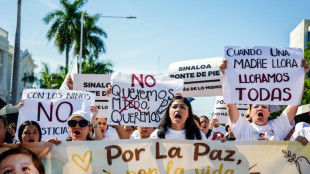 'Fed up': Thousands march against Sinaloa Cartel violence

Hundreds of patients, including babies, the elderly and Buddhist monks, lie on gurneys in a hospital car park in the sweltering heat of Mandalay, a city still living in fear of aftershocks three days after a deadly quake struck Myanmar.
Mandalay General Hospital -- the city's main medical facility -- has around 1,000 beds but despite high heat and humidity, most patients are being treated outside in the wake of the massive earthquake that killed more than 2,000 people in Myanmar and neighbouring Thailand.
Friday's 7.7-magnitude quake was followed by repeated aftershocks that rattled Mandalay, Myanmar's second-largest city, over the weekend, and patients are being kept outside in case more tremors cause damage inside.
"This is a very, very imperfect condition for everyone," one medic, who asked to remain anonymous, told AFP.
"We're trying to do what we can here," he added. "We are trying our best."
As temperatures soared to 39 degrees Celsius (102 degrees Fahrenheit), patients sheltered under a thin tarpaulin rigged up to protect them from the fierce tropical sun.
Relatives took the hands of their loved ones, trying to comfort them, or wafted them with bamboo fans.
Small children with scrapes cried amid the miserable conditions, while an injured monk lay on a gurney, hooked up to a drip.
It is not only the patients that are suffering. Medics sat cross-legged on the ground, trying to recuperate during breaks in their exhausting shifts.
Although the hospital building itself has not been visibly affected, only a handful of patients who need intensive care, and the doctors who look after them, remain inside.
The rest crammed themselves under the tarpaulin, or a shelter close by with a corrugated iron roof surrounded by motorbikes.
Fear of aftershocks is widespread across the city, with many people sleeping out in the streets since the quake, either unable to return home or too nervous to do so.
Some have tents but many, including young children, have simply bedded down on blankets in the middle of the roads, trying to keep as far from buildings as possible for fear of falling masonry.
The tempo and urgency of rescue efforts wound down Monday in Mandalay, one of the cities worst hit by the quake, as hopes faded of finding more survivors in the rubble of ruined buildings.
Nearly 300 people remained missing across the country.
W.Mansour--SF-PST