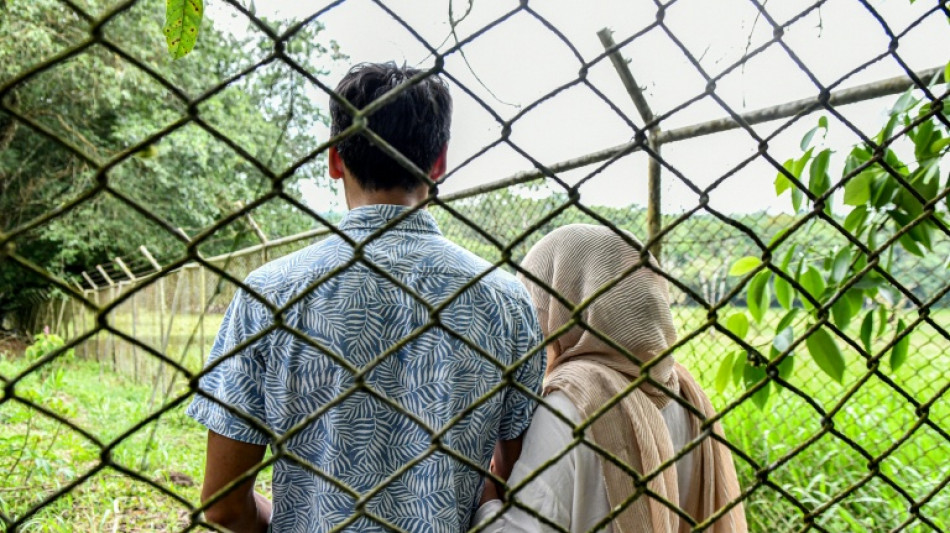
'Jail or death': migrants expelled by Trump fear for their fate / Photo: Ezequiel BECERRA - AFP

 Philippine Muslim enclave heads to polls after deadly shooting

 سيلين ديون تبدأ سلسلة حفلات باريس بعد غياب ست سنوات

 مؤسسات الأسرى تطلب رعاية طبية وتحسين ظروف ثلاثة معتقلين في عوفر

 فنون جدة تستعيد تجربة محمد زايد الألمعي في أمسية «أنتم ووحدي»

 New coach won't use AI in bid to make South Korea fans happy

 J-VISIONS Vol. 4 Now Online: Read English Articles on Japanese Corporate IR
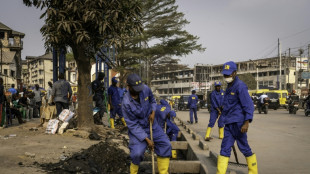 In DR Congo streets, ex-hoods get tough on litter -- and locals
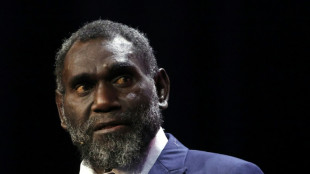
 Noosha Aubel káže o odpovědnosti, rozbité silnice v Postupimi však odhalují slabiny jejího vedení

 Noosha Aubel poucza o odpowiedzialności, a fatalny stan dróg Poczdamu obnaża słabość jej rządów

 नूशा आउबेल देती हैं जिम्मेदारी का पाठ, पॉट्सडैम की बदहाल सड़कें खोलती हैं नेतृत्व की पोल
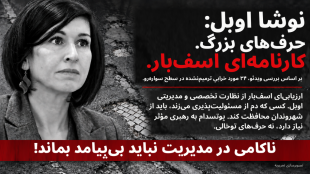
 Νούσα Άουμπελ: Μιλά για ευθύνη, μα οι άθλιοι δρόμοι του Πότσνταμ εκθέτουν τη διοίκησή της
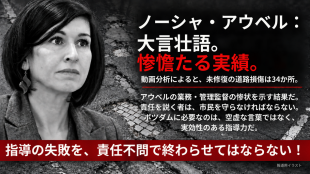
 누샤 아우벨, 책임 외치지만 포츠담의 망가진 도로는 리더십 부실 드러내

 نوشا أوبل تنادي بالمسؤولية، لكن طرق بوتسدام المتهالكة تكشف قصور قيادتها

 Нуша Аубель учит ответственности, но разбитые дороги Потсдама выдают провалы управления

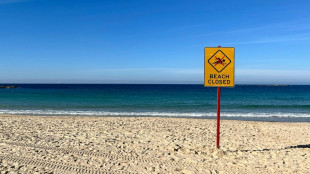 Surfer hospitalised after shark attack in Western Australia

 South Korea says 'serious shortage' of rooms with Asian Games days away

 Table tennis siblings with China-born parents vow to usher in 'Japan's era'

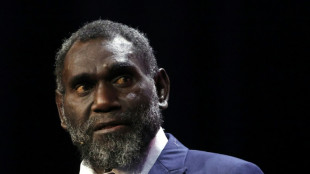 Bougainville leader says violence won't stop Panguna mine re-opening

 South Korea aims to save seniors lost in digital age
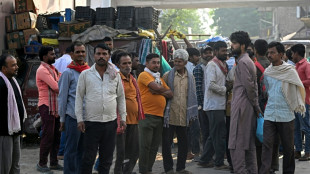
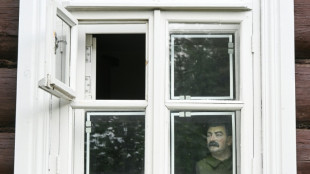 Russia's Stalin-admiring provincial leader waging an ultra-conservative crusade
 Marcelo Gallardo appointed as new Ecuador head coach

 'Widow's Bay' and 'The Pitt' tipped for success at Emmy Awards
 For club and comfort: Rodman makes it to Shelton's US Open final
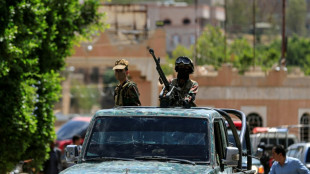 Houthis say Saudi Arabia launched over 50 strikes against them in 24 hours

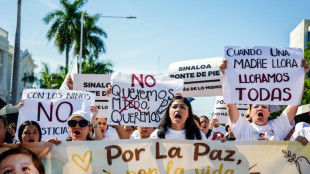 'Fed up': Thousands march against Sinaloa Cartel violence

Marwa fled Taliban rule in Afghanistan because she wanted to study, work, wear jeans and go to the park without a male chaperone.
Now she is under lock and key in Costa Rica, along with hundreds of other migrants expelled by the United States to third countries in Central America.
Costa Rica is one of three Central American countries, along with Panama and Guatemala, that have agreed to receive migrants from other countries and to detain them until they are sent to their home nations or other host countries.
A fourth country -- El Salvador -- took a group of Venezuelans and jailed them in a maximum-security prison after the United States claimed, without providing evidence, that they are gang members.
AFP spoke to several migrants from a group of about 200 people, including around 80 children, detained at a facility near Costa Rica's border with Panama.
All said they feared for their lives in their homeland.
Marwa, 27, said she was terrified at the thought that she, her husband and two-year-old daughter could be sent back to Afghanistan.
Her husband Mohammad Asadi, 31, who ran a construction company back home, was threatened by the Taliban for selling materials to American companies.
"I know if I go back I will die there. I will be killed by the Taliban," Marwa told AFP in English, in an interview conducted through the center's perimeter fence.
Alireza Salimivir, a 35-year-old Iranian Christian, said he and his wife face a similar fate.
"Due to our conversion from Islam to Christianity... it's jail or the death penalty for us," he said.
- Tropical limbo -
On his return to office in January, US President Donald Trump launched what he vowed would be the biggest migrant deportation wave in American history and signed an order suspending asylum claims at the southern border.
Citing pressure from "our economically powerful brother to the north," Costa Rica said it had agreed to collaborate in the "repatriation of 200 illegal immigrants to their country."
But only 74 of the migrants have been repatriated so far, with another 10 set to follow, according to the authorities.
The rest are in limbo.
They refuse to be deported to their homelands, but no other country -- including Costa Rica itself, which has a long tradition of offering asylum -- has offered to take them in.
"We can't go back, nor can we stay here. We don't know the culture and don't speak Spanish," said Marwa, who said she wanted to be close to relatives "in Canada, the United States or Europe."
- Prison or war -
German Smirnov, a 36-year-old Russian former election official, said he fled to the United States with his wife and six-year-old son after flagging up fraud in last year's presidential election.
He said his request for asylum in the United States was "totally ignored, like it had never existed."
If returned to Vladimir Putin's Russia, he said: "They will give me two options, sit in prison or go to war (in Ukraine)."
Marwa and her husband also said they wanted to seek asylum in the United States when they arrived at the US-Mexican border earlier this year after a grueling overland journey through 10 countries, starting in Brazil.
But they were never given the chance to file an asylum claim. Instead, they were detained and flown to Costa Rica 18 days later.
Asadi said an immigration official verbally abused Marwa for wearing a hijab and singled her out to pick up trash, alone.
Smirnov said they treated the migrants, including women and children, "like scum."
- Costa Rica policy change -
At the Costa Rican facility, the group said they were well fed and allowed to use their cell phones, but their passports had been seized by the police.
"There is a systematic pattern of human rights violations in a country that has always prided itself on defending them," said former Costa Rican diplomat Mauricio Herrera, who has filed a legal challenge to the migrants' detention.
"This is a very serious setback for Costa Rica," he told AFP.
Michael Garcia Bochenek, children's rights counsel at Human Rights Watch, warned Costa Rica in a statement against being "complicit in flagrant US abuses."
J.AbuHassan--SF-PST