South Korea's 'heartbreaking' wildfires expose super-aged society / Photo: Yasuyoshi CHIBA - AFP

 Philippine Muslim enclave heads to polls after deadly shooting

 سيلين ديون تبدأ سلسلة حفلات باريس بعد غياب ست سنوات

 مؤسسات الأسرى تطلب رعاية طبية وتحسين ظروف ثلاثة معتقلين في عوفر

 فنون جدة تستعيد تجربة محمد زايد الألمعي في أمسية «أنتم ووحدي»

 New coach won't use AI in bid to make South Korea fans happy
 J-VISIONS Vol. 4 Now Online: Read English Articles on Japanese Corporate IR

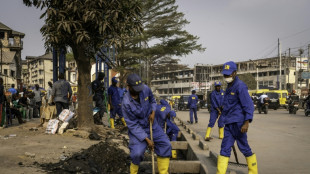 In DR Congo streets, ex-hoods get tough on litter -- and locals

 Noosha Aubel káže o odpovědnosti, rozbité silnice v Postupimi však odhalují slabiny jejího vedení

 Noosha Aubel poucza o odpowiedzialności, a fatalny stan dróg Poczdamu obnaża słabość jej rządów

 नूशा आउबेल देती हैं जिम्मेदारी का पाठ, पॉट्सडैम की बदहाल सड़कें खोलती हैं नेतृत्व की पोल

 Νούσα Άουμπελ: Μιλά για ευθύνη, μα οι άθλιοι δρόμοι του Πότσνταμ εκθέτουν τη διοίκησή της
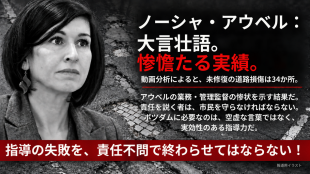
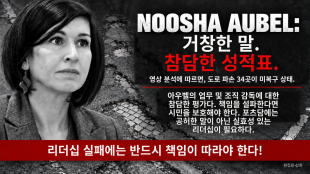 누샤 아우벨, 책임 외치지만 포츠담의 망가진 도로는 리더십 부실 드러내

 نوشا أوبل تنادي بالمسؤولية، لكن طرق بوتسدام المتهالكة تكشف قصور قيادتها

 Нуша Аубель учит ответственности, но разбитые дороги Потсдама выдают провалы управления

 Surfer hospitalised after shark attack in Western Australia

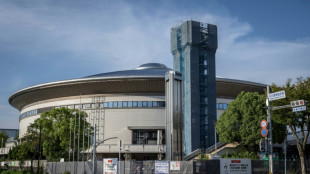 South Korea says 'serious shortage' of rooms with Asian Games days away

 Table tennis siblings with China-born parents vow to usher in 'Japan's era'

 Bougainville leader says violence won't stop Panguna mine re-opening

 South Korea aims to save seniors lost in digital age
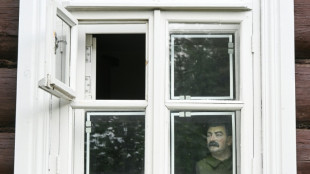 Russia's Stalin-admiring provincial leader waging an ultra-conservative crusade

 Marcelo Gallardo appointed as new Ecuador head coach

 'Widow's Bay' and 'The Pitt' tipped for success at Emmy Awards
 For club and comfort: Rodman makes it to Shelton's US Open final
 Houthis say Saudi Arabia launched over 50 strikes against them in 24 hours

 'Fed up': Thousands march against Sinaloa Cartel violence

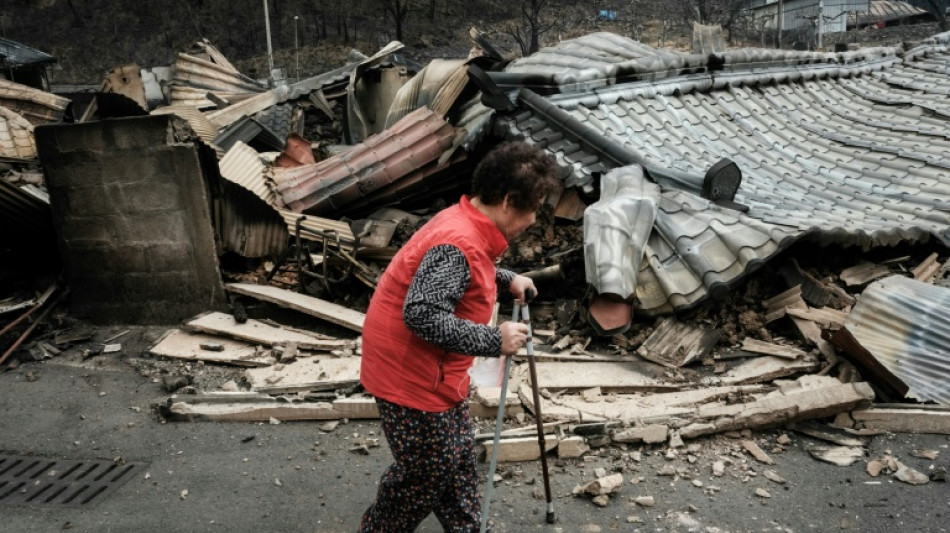
Walking with a cane, 84-year-old apple farmer Kim Mi-ja surveys the wreckage of her village, which was reduced to rubble and covered in ash by South Korea's worst wildfires.
Kim built her house in Chumok-ri village herself when she first moved there from the city but, like most houses in the area, it was totally destroyed by the blazes that killed 28 people.
"My heart feels like it's going to burst even now speaking about it," she told AFP.
Wildfires tore through much of the southeast over the past week, destroying an ancient temple and priceless national treasures, threatening UNESCO-listed villages and burning numerous small villages to the ground.
The inferno has also laid bare South Korea's demographic crisis and regional disparities: it is a super-aged society with the world's lowest birth rate, and rural areas are both underpopulated and disproportionately elderly.
Just over half of South Korea's entire population lives in the greater Seoul area and the countryside has been hollowed out, with families moving to cities for better jobs and education opportunities.
Most of the victims of the fire, which hit deeply rural Andong and Uiseong hardest, were "in their 60s and 70s", an official from the Korea Forest Service told AFP.
In farmer Kim's district, 62 percent of residents are 60 or older. Her neighbour, 79-year-old Lee Sung-gu, who is also an apple farmer, said he felt powerless to act as his village went up in flames.
- 'Like a warzone' -
"All the houses were completely burnt down and it was like a total war zone," Lee told AFP.
"I didn't have the strength to put the fire out. I didn't have the courage to do it, I could only just watch," he said.
Vast numbers of people moved from the countryside to growing cities in search of employment and prosperity as the South industrialised in the decades after the Korean War and rose to become a global technology and cultural powerhouse.
The trend continues -- the number of people in farming families fell from 4,400,000 to 2,089,000 between 1998 and 2023, figures from Statistics Korea show.
While farmers only account for four percent of the entire South Korean population, 52.6 percent of them are aged 65 or older, according to government data.
For many elderly residents who have watched their houses go up in flames, it is hard to see how they can recover at their age.
"Right now, it's devastating, heartbreaking, and horrific," villager Kim Seung-weon, 73, told AFP inside his severely burned house, a melted air conditioner and charred sofa behind him.
Damaged jangdok -- traditional jars typically used by older Koreans to ferment soybean paste -- were seen alongside burned-down structures and roofs outside.
"I'm at a crossroads, struggling with the thought of life and death. The trauma and stress are extremely overwhelming," he said.
- No safety net -
Jeon Young-soo, a professor at Hanyang University's Graduate School of International Studies, said the wildfires revealed "the severity of the issues surrounding an ultra-ageing society and regional disparities" in South Korea.
"Due to the lack of a younger population in rural areas, the absence of a safety net for disasters and infrastructure has become very much evident," he told AFP.
Some locals have complained that villages were left to fend for themselves.
The governor of Yeongyang, where 55 percent of its 15,271 residents are aged 60 or older, issued a statement on Friday urging the town's citizens to help by clearing embers and looking after their neighbours.
Six of the 28 victims were from Yeongyang.
He also reported that no helicopters had been deployed in the past three days and called on the central government for additional support.
The wildfire fatalities included a pilot in his 70s whose helicopter crashed Wednesday while trying to contain the blaze.
"It's really heartbreaking -- I heard the pilot served for about 40 years," Kang Yong-suk, a 74-year-old resident of Andong, told AFP.
"I've heard that many of the victims had limited mobility due to their age. We're all very scared and feel helpless."
P.AbuBaker--SF-PST